Author name: admin

Uncategorized

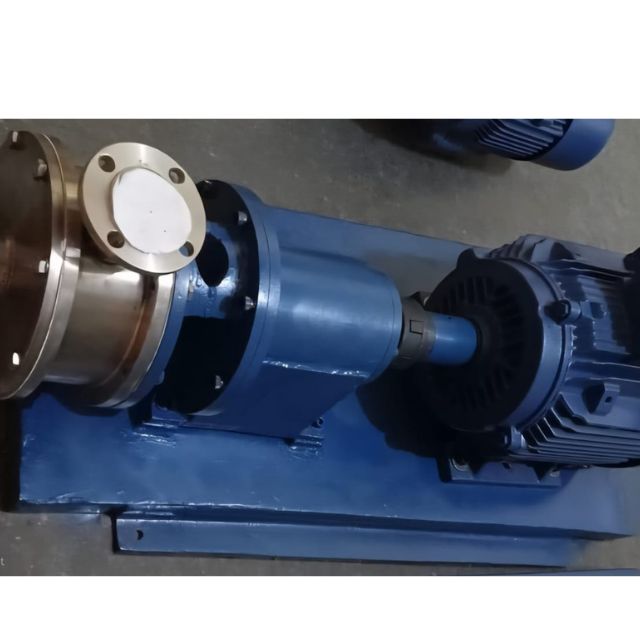
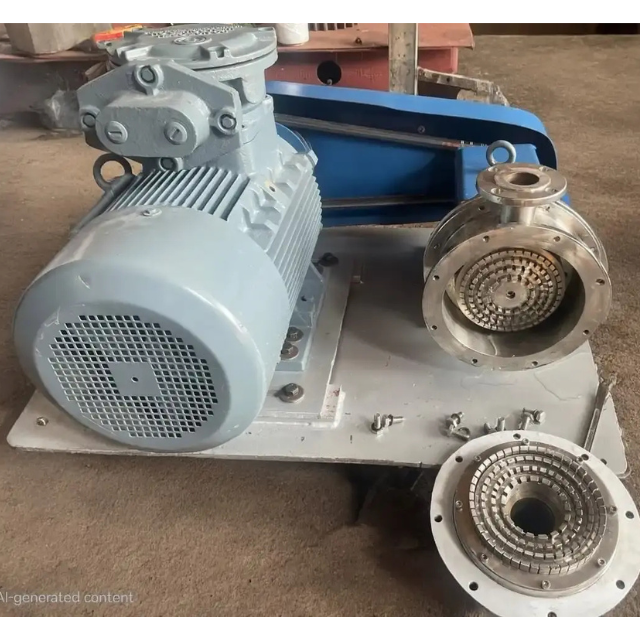
How to Choose the Right Colloidal Mill for Bitumen Emulsion Industry

Learn how to choose the right colloidal mill for bitumen emulsion production. MecWorks Innovation offers high-shear, efficient milling solutions. Introduction Choosing the right colloidal mill is critical for producing high-quality bitumen emulsions. A well-designed mill ensures proper particle size reduction, stable emulsions, and consistent performance. MecWorks Innovation provides expert guidance and precision-engineered colloidal mills, helping road construction and asphalt companies select the perfect equipment. Understanding Colloidal Mills in Bitumen Emulsion Colloidal mills use high-shear forces to disperse bitumen into fine droplets within water, creating a stable emulsion. The rotor-stator mechanism allows precise control over particle size and viscosity, which directly affects the quality and durability of roads. Key Factors to Consider Capacity & Throughput: Ensure the mill can handle your required production rate. Rotor-Stator Design: Determines particle size and shear efficiency. Material of Construction: Stainless steel for corrosion resistance and longevity. Viscosity Handling: Ability to process high-viscosity bitumen efficiently. Maintenance & Cleaning: Easy disassembly and low downtime. Applications Road paving and surface treatment Asphalt repair and maintenance Highway, expressway, and urban roads Specialized emulsions for cold mix and tack coating Why MecWorks Innovation As a trusted supplier, MecWorks Innovation provides colloidal mills designed for maximum efficiency, low energy consumption, and long service life. Our team guides customers in selecting the right model based on production needs, viscosity, and project scale. FAQs Q1: Can one colloidal mill produce multiple types of emulsions?A1: Yes, adjustable rotor-stator gaps allow production of various emulsion grades. Q2: How often is maintenance required?A2: Routine maintenance is minimal; components are durable for continuous operation. Conclusion Selecting the right colloidal mill ensures high-quality bitumen emulsions and reliable road performance. MecWorks Innovation offers expert consultation and premium milling equipment to meet your production goals.

Uncategorized

Super Shear Colloidal Mill for Production of Bitumen Emulsion K1-70

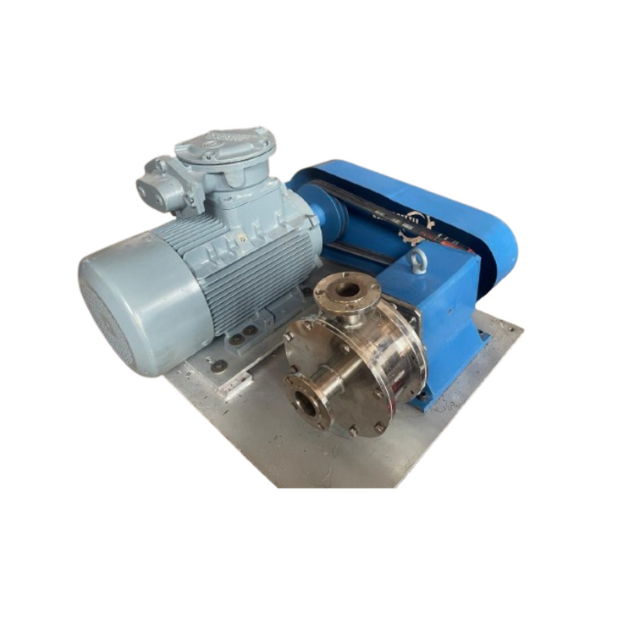
Produce high-quality Bitumen Emulsion K1-70 with MecWorks Innovation’s Super Shear Colloidal Mill. Reliable, high-efficiency milling for road construction. Introduction The Bitumen Emulsion K1-70 is widely used for road surfacing and pavement maintenance. Producing this emulsion requires precise particle dispersion and stability. MecWorks Innovation offers the Super Shear Colloidal Mill, specifically engineered for Bitumen Emulsion K1-70, ensuring uniform droplets, high shear, and consistent quality for road construction projects. Features of the Super Shear Colloidal Mill High-shear rotor-stator system: Produces uniform particle size. Energy-efficient operation: Reduces power consumption while maintaining high throughput. Robust stainless steel construction: Corrosion-resistant for long-term use. Adjustable gap control: Fine-tune for K1-70 emulsion properties. Continuous operation: Designed for industrial-scale bitumen emulsion production. Applications Production of Bitumen Emulsion K1-70 for highways, expressways, and urban roads Cold mix and tack coat applications Road repair, sealing, and maintenance Infrastructure projects requiring high-quality emulsions Why Choose MecWorks Innovation MecWorks Innovation is a leading supplier of colloidal mills in India, known for reliability, precision, and technical expertise. Our Super Shear Colloidal Mill ensures high-quality K1-70 emulsion production, helping contractors and agencies maintain smooth, durable roads. FAQs Q1: Can this mill produce other types of bitumen emulsions?A1: Yes, the adjustable rotor-stator allows production of multiple grades, including cationic and anionic emulsions. Q2: What is the production capacity per hour?A2: The mill can produce between 10–50 tons per hour, depending on setup and viscosity. Conclusion For efficient, high-quality Bitumen Emulsion K1-70 production, the Super Shear Colloidal Mill from MecWorks Innovation is the ideal choice. Contact our team today to discuss customized industrial solutions.

Best Industrial Homogenizers in India
Uncategorized

Intank Homogenizers: A Smarter Choice for Dairy, Cosmetics & Pharma Production

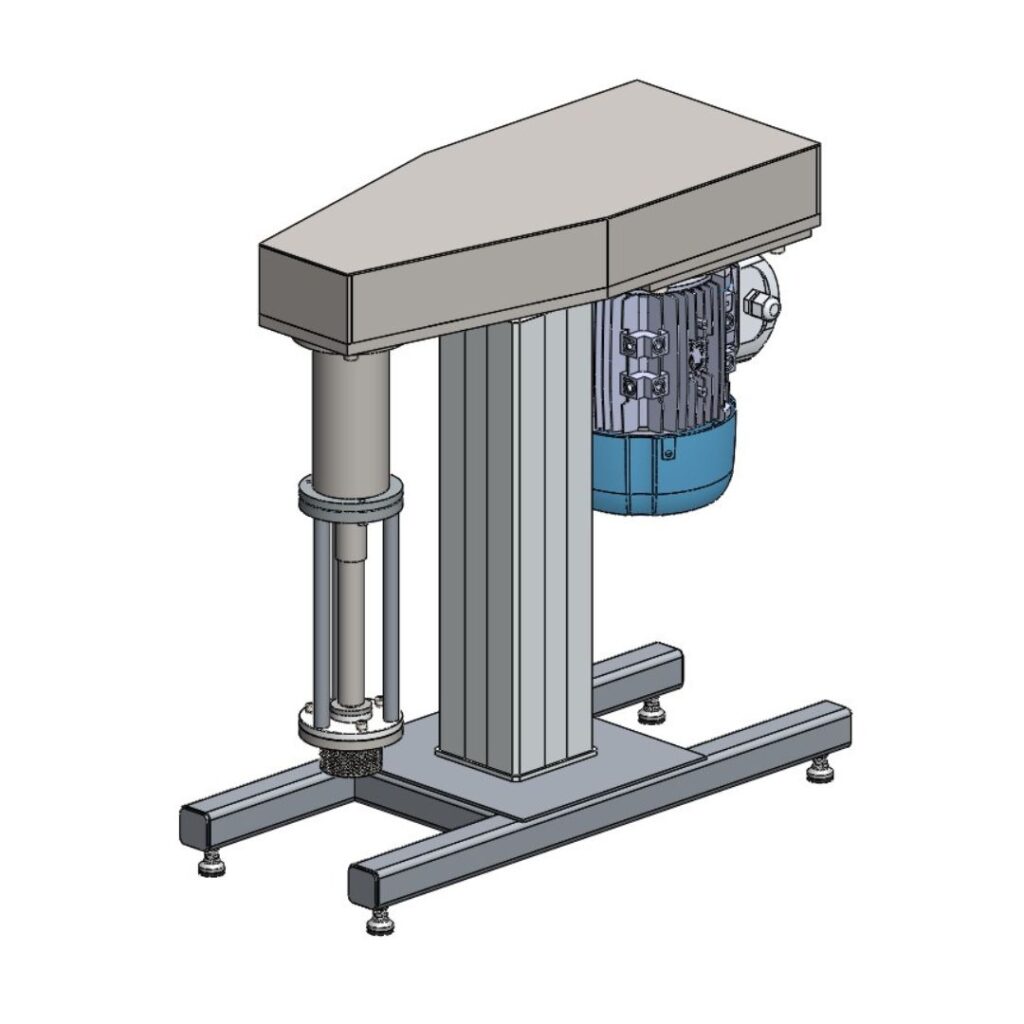
In today’s competitive manufacturing environment, industries are under constant pressure to deliver products that are consistent, stable, and high in quality. Whether it’s milk-based beverages, cosmetic creams, or pharmaceutical suspensions, achieving a uniform mixture is critical. Traditional mixing equipment often struggles with efficiency and product uniformity. This is where intank homogenizers prove to be a smarter choice for modern production lines, especially in dairy, cosmetics, and pharmaceutical industries. What is an Intank Homogenizer? An intank homogenizer is a high-shear mixing device designed to operate directly inside the mixing tank. Unlike inline homogenizers, which require product recirculation through a pipeline system, intank models are submerged in the tank itself. They work on the rotor-stator principle, where a rapidly rotating rotor forces the material through a stationary stator. The intense shear forces generated reduce particle size, break down agglomerates, and create stable emulsions and dispersions. This design not only simplifies the mixing process but also ensures efficient, time-saving, and hygienic operations. Applications of Intank Homogenizers 1. Dairy Industry Dairy processing requires smooth textures, uniform taste, and long shelf life. Intank homogenizers are widely used for: Milk & Flavored Beverages – Prevents fat separation and enhances mouthfeel.  Yogurt & Cheese – Ensures uniform distribution of cultures and flavors.  Creams & Ice Cream Mixes – Provides a consistent, creamy texture consumers love.  By producing stable emulsions, intank homogenizers help dairy manufacturers meet quality and hygiene standards critical in food production. 2. Cosmetics & Personal Care The cosmetics sector relies heavily on fine emulsions and stable formulations. Intank homogenizers are used for: Lotions & Creams – Creates smooth, lump-free textures.  Shampoos & Conditioners – Ensures even dispersion of thickeners and active ingredients.  Serums & Gels – Provides stability and prevents separation over time.  Consistency is key in cosmetics. With intank homogenizers, brands can deliver products that meet consumer expectations for texture, appearance, and performance. 3. Pharmaceutical Industry In pharma, product safety and uniformity are non-negotiable. Intank homogenizers are vital for: Ointments & Creams – Produces fine emulsions for better absorption.  Suspensions & Syrups – Keeps particles evenly dispersed for accurate dosing.  Vaccines & Biologics – Helps in mixing sensitive formulations under sterile conditions.  Their ability to meet GMP (Good Manufacturing Practice) standards makes them a trusted solution in pharmaceutical production. Why Intank Homogenizers are a Smarter Choice Direct Mixing in Tank – Eliminates the need for external recirculation systems.  High Efficiency – Reduces processing time by achieving fine emulsions quickly.  Hygienic Design – Stainless steel construction and CIP (Clean-In-Place) compatibility make them ideal for food and pharma.  Flexibility – Can handle a wide range of viscosities, from thin liquids to thick creams.  Cost-Effective – Lower installation and maintenance compared to inline systems.  These advantages explain why intank homogenizers are gaining popularity across industries that demand both quality and efficiency. Choosing the Right Intank Homogenizer When selecting an intank homogenizer, manufacturers should consider: Tank Size & Batch Volume – Matching homogenizer capacity to production needs.  Viscosity of Materials – Ensuring the system can handle specific product thickness.  Cleaning & Maintenance – Preference for CIP/SIP (Steam-In-Place) systems in dairy and pharma.  Material of Construction – Stainless steel grades (SS316/SS304) for hygienic compliance.  Manufacturer Support – Partnering with a reliable intank homogenizer manufacturer in India ensures consistent quality and service.  The Future of Intank Homogenization As industries continue to adopt automation, digital monitoring, and sustainable production practices, intank homogenizers are evolving to meet new demands. Features such as variable speed drives, real-time monitoring, and energy-efficient motors are making these machines smarter and more adaptable. In the near future, we can expect intank homogenizers to play an even bigger role in industries where product innovation and compliance are critical. Conclusion From dairy products that delight consumers, to cosmetics that promise flawless textures, to pharmaceuticals that save lives—intank homogenizers are proving to be a smarter, more efficient choice for modern manufacturers. Their ability to deliver consistency, speed, and hygiene makes them indispensable in today’s production environments. For companies looking to enhance product quality and streamline operations, investing in intank homogenizer technology is not just a smart move—it’s a long-term competitive advantage.

High Speed Disperser Manufacturer in India
Uncategorized

High Speed Dispersers: Boosting Productivity in Paint & Chemical Plants

The global demand for paints, coatings, adhesives, and specialty chemicals is rising rapidly. With this growth, manufacturers face increasing pressure to produce high-quality, consistent, and cost-effective products while keeping production timelines short. One machine that has become central to achieving these goals is the High Speed Disperser (HSD). Known for its ability to efficiently mix, disperse, and break down particles, high speed dispersers are now considered indispensable equipment in paint and chemical plants. What is a High Speed Disperser? A high speed disperser is a powerful mixing device equipped with a disc-shaped blade that rotates at high speeds. The rapid motion of the blade creates intense shear forces, which break down agglomerates and disperse solid particles evenly into a liquid medium. Unlike traditional stirrers or mixers, high speed dispersers are designed specifically for applications where particle size reduction and uniform distribution are essential. They are widely used in batch processing and can handle materials of varying viscosities. Why High Speed Dispersers Matter in Paint & Chemical Manufacturing 1. Ensuring Uniform Color & Texture In the paint industry, color consistency is critical. A high speed disperser ensures: Even dispersion of pigments for vibrant shades. Smooth textures without clumps or streaks. Improved gloss and finish in the final product. By delivering superior dispersion, high speed dispersers help manufacturers maintain brand reputation and product reliability. 2. Reducing Production Time Traditional mixing equipment often requires longer processing times and multiple passes. High speed dispersers, on the other hand: Shorten mixing cycles significantly. Allow higher throughput for bulk production. Minimize downtime between batches. This translates into faster order fulfillment and higher productivity, crucial in competitive markets. 3. Handling Diverse Chemical Applications Beyond paints, high speed dispersers are widely used in chemical plants for: Adhesives & Sealants – Achieving uniform consistency in viscous formulations. Coatings – Dispersing pigments and fillers for industrial-grade performance. Resins & Polymers – Ensuring proper blending for durable end products. Inks & Dyes – Creating stable dispersions for vibrant, long-lasting prints. Their ability to handle a wide range of viscosities makes them versatile tools for chemical processing. Advantages of High Speed Dispersers Efficient Particle Size Reduction – Achieves fine dispersions quickly. Improved Product Quality – Enhances stability, color strength, and finish. High Productivity – Shorter batch cycles increase overall output. Versatility – Can process low, medium, and high-viscosity materials. Cost Savings – Lower energy consumption compared to extended traditional mixing. Scalability – Available in lab-scale models for R&D and large industrial systems. These advantages make high speed dispersers a smart investment for plants aiming to increase efficiency without compromising quality. Choosing the Right High Speed Disperser When investing in a high speed disperser, companies should evaluate: Batch Size & Production Needs – Matching disperser size and power to plant requirements. Viscosity Range – Ensuring the disperser can handle materials from thin liquids to pastes. Blade Design – The right blade size and shape impact efficiency. Ease of Maintenance – Quick cleaning and low downtime are essential in paint and chemical plants. Material of Construction – Stainless steel ensures durability and compliance with safety standards. Manufacturer Expertise – Partnering with a reliable high speed disperser manufacturer in India ensures consistent quality and after-sales support. Future of High Speed Dispersers in Manufacturing With industries focusing on automation, sustainability, and energy efficiency, high speed dispersers are evolving with advanced features such as: Variable frequency drives for speed control. Digital monitoring systems for process optimization. Energy-efficient motors to reduce operational costs. These innovations will make high speed dispersers even more valuable for modern manufacturing plants. Conclusion High speed dispersers are no longer just optional equipment—they are a cornerstone of productivity in paint and chemical manufacturing. From ensuring pigment consistency in paints to producing stable chemical formulations, they deliver unmatched efficiency and product quality. For manufacturers looking to boost productivity, reduce processing time, and improve output quality, investing in high speed disperser technology is a step toward long-term success in competitive markets.

Best Industrial Homogenizers in India
Uncategorized

Bottom Drive vs Top Drive Homogenizers – Which One Should You Choose?

In modern manufacturing, homogenizers are essential for creating stable emulsions, dispersions, and suspensions. They are widely used in food, cosmetics, pharmaceuticals, and chemical industries, where product uniformity and consistency are critical. However, when selecting a homogenizer, one of the most common questions manufacturers face is: Should I choose a bottom drive homogenizer or a top drive homogenizer? Both designs offer unique advantages, and the right choice depends on your application, batch size, and processing requirements. In this blog, we’ll break down the differences between bottom drive and top drive homogenizers to help you make an informed decision. What is a Homogenizer? A homogenizer is a high-shear mixing device that reduces particle size and blends immiscible liquids to form stable emulsions. It works on the rotor-stator principle, where intense shear forces break down particles and distribute them evenly. Depending on how the unit is installed in the tank, homogenizers are categorized as top drive or bottom drive. Top Drive Homogenizers As the name suggests, top drive homogenizers are mounted on the top of the mixing tank. The shaft and rotor-stator assembly extend downward into the tank to perform mixing. Advantages of Top Drive Homogenizers: Versatility – Can handle a wide range of viscosities, from thin liquids to thick creams. Ease of Installation – Simple mounting on the tank top. Accessibility – Easier to maintain since the motor and drive are located above the tank. Cost-Effective – Generally more affordable compared to bottom drive models. Limitations: May require longer shafts for deep tanks, leading to vibration and maintenance issues. Not ideal for applications where complete tank emptying is required. Bottom Drive Homogenizers Bottom drive homogenizers are installed at the base of the tank. The rotor-stator assembly is positioned at the bottom, ensuring direct contact with the product at the lowest point. Advantages of Bottom Drive Homogenizers: Complete Mixing – Processes material from the very bottom of the tank, leaving no “dead zones.” Efficient Tank Emptying – Ideal for industries where minimal wastage is critical. Compact Design – Motor and drive are located below, saving space on top of the tank. Cleaner Operation – Suitable for hygienic industries like pharma and dairy. Limitations: More complex installation and maintenance, since the drive is located at the tank bottom. Typically higher cost compared to top drive models. Applications – Which is Best for You? Food & Dairy Industry Top Drive: Suitable for mixing syrups, sauces, and beverages where cost efficiency matters. Bottom Drive: Preferred for milk, yogurt, and ice cream mixes, where hygiene and complete tank emptying are critical. Cosmetics & Personal Care Top Drive: Ideal for shampoos, conditioners, and gels where viscosity varies. Bottom Drive: Best for lotions, creams, and serums that demand smooth textures and no residue. Pharmaceutical Industry Top Drive: Used in syrups and suspensions where ease of maintenance is important. Bottom Drive: Chosen for ointments, creams, and sterile formulations due to better hygiene and efficiency. Chemical Industry Top Drive: Suitable for general mixing of adhesives, emulsions, and resins. Bottom Drive: Preferred for high-value specialty chemicals where minimal product wastage is required. Key Considerations Before Choosing When deciding between a top drive and bottom drive homogenizer, evaluate: Product Type & Viscosity – Thick creams may benefit from bottom drive, while low-viscosity liquids suit top drive. Tank Design & Volume – Large tanks may favor bottom drive for thorough mixing. Cleaning Requirements – CIP/SIP compatibility is easier with bottom drive systems in hygienic industries. Budget & Maintenance – Top drives are cost-effective; bottom drives excel in performance but may cost more. Manufacturer Support – Partnering with a trusted homogenizer manufacturer in India ensures equipment reliability. Future Trends in Homogenizer Technology With rising demand for automation, hygienic design, and energy efficiency, both top and bottom drive homogenizers are evolving. Features such as variable speed drives, real-time monitoring, and improved seal technology are helping manufacturers achieve better results with reduced downtime. Conclusion Both top drive and bottom drive homogenizers play vital roles in modern production. The choice depends on your industry requirements, product type, and budget. While top drives offer cost-effectiveness and ease of maintenance, bottom drives deliver superior mixing, hygiene, and efficiency. For manufacturers aiming to boost productivity and maintain consistent product quality, selecting the right homogenizer is not just a technical decision—it’s a strategic investment in long-term success.  

Dyno Mill for paints and coatings
Uncategorized

Dyno Mills Explained: Efficient Grinding Solutions for Paints & Coatings

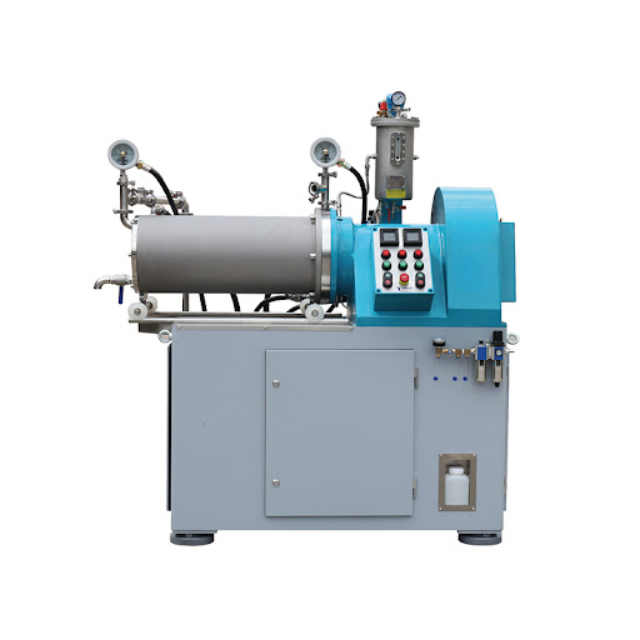
The paints and coatings industry is one of the largest and fastest-growing sectors in manufacturing, driven by rising demand in construction, automotive, packaging, and industrial applications. To meet customer expectations, manufacturers must deliver products with uniform color, smooth texture, and long-lasting performance. Achieving this requires efficient grinding technology—and this is where Dyno Mills stand out as a preferred solution. What is a Dyno Mill? A Dyno Mill is a high-efficiency bead mill designed for fine wet grinding and dispersion of materials. It operates using a rotor-stator system and grinding media (beads), which create intense shear and impact forces that break down solid particles into micron or even nano sizes. Unlike traditional ball mills, Dyno Mills provide continuous processing, faster throughput, and higher energy efficiency, making them ideal for industries where precision and consistency are crucial. Why Dyno Mills Are Essential for Paints & Coatings 1. Achieving Uniform Pigment Dispersion Color consistency is the heart of the paint and coatings industry. Dyno Mills ensure: Even distribution of pigments for vibrant and stable colors. Particle size reduction to prevent settling and sedimentation. Gloss enhancement for premium finishes. This results in paints that are not only visually appealing but also durable over time. 2. Enhancing Coating Performance Performance goes beyond appearance. Coatings must provide protection, adhesion, and longevity. Dyno Mills help by: Producing ultra-fine dispersions that increase surface coverage. Improving film smoothness for uniform application. Ensuring better adhesion and resistance to weathering, chemicals, and abrasion. For sectors like automotive or industrial coatings, these benefits directly impact product reliability and customer satisfaction. 3. Boosting Manufacturing Efficiency In today’s competitive environment, manufacturers cannot afford slow or wasteful processes. Dyno Mills are designed to: Handle continuous production for large-scale output. Reduce grinding time compared to traditional mills. Optimize energy consumption, lowering operational costs. This makes them a cost-effective investment for paint and coating plants. Applications of Dyno Mills in Paints & Coatings Decorative Paints – Used for achieving stable color shades for walls, furniture, and consumer applications. Industrial Coatings – Ensures high resistance to chemicals, heat, and abrasion. Automotive Paints – Provides smooth, high-gloss finishes with superior durability. Protective Coatings – Enhances corrosion resistance for metals and infrastructure. Inks & Pigments – Beyond paints, Dyno Mills are also used in printing inks and pigment dispersion. Advantages of Using Dyno Mills Ultra-Fine Particle Size – Achieves micron and sub-micron grinding for superior finish. High Production Capacity – Suitable for continuous, large-scale manufacturing. Versatility – Handles water-based, solvent-based, and UV-curable formulations. Reduced Processing Time – Cuts down batch times, improving throughput. Energy Efficiency – Consumes less power than conventional grinding methods. Scalability – Available in lab, pilot, and industrial models. These features make Dyno Mills an indispensable machine for companies aiming to improve quality while controlling production costs. Choosing the Right Dyno Mill When selecting a Dyno Mill for paint and coatings production, companies should consider: Material Compatibility – Whether it works with solvent-based or water-based systems. Grinding Media Selection – Bead size and material affect efficiency and final product quality. Capacity Requirements – From small lab setups to large industrial plants. Ease of Maintenance – Simple cleaning and low downtime are critical. Manufacturer Reliability – Partnering with a trusted Dyno Mill manufacturer in India ensures consistent support and compliance with industry standards. The Future of Grinding Solutions As the demand for high-performance paints and coatings continues to rise, the role of advanced grinding technology will only grow stronger. Dyno Mills are evolving with features such as nanotechnology capability, energy optimization, and digital monitoring, making them even more valuable for modern production plants. Conclusion Dyno Mills are not just another grinding machine—they are a game-changer for the paints and coatings industry. From ensuring pigment uniformity and vibrant colors to enhancing coating durability and reducing processing time, Dyno Mills deliver unmatched results. For manufacturers striving to stay competitive, investing in Dyno Mill technology is more than just a production upgrade—it’s a step towards achieving quality, efficiency, and long-term market success.

Lab-Intank-Homogeniser
Uncategorized

Laboratory Homogenizers & Mixers: Supporting Research, Testing & Small-Batch Production

In today’s fast-evolving industries, from pharmaceuticals to food processing and biotechnology, the role of laboratory homogenizers and mixers has become more crucial than ever. Whether it’s developing a new drug, testing cosmetic formulations, or creating innovative food products, small-scale mixing and homogenizing equipment forms the backbone of research and product development. These machines are specifically designed to handle small batches with precision, ensuring uniformity, reproducibility, and high-quality results before scaling up to full-scale production. Why Laboratory Homogenizers & Mixers are Essential Laboratory homogenizers and mixers are compact yet powerful machines used to blend, emulsify, disperse, or break down particles into fine sizes. Their primary role is to deliver consistent results in experimental trials, enabling researchers to refine formulations and validate processes before moving into larger manufacturing systems. Here’s why they are indispensable in modern labs: Precision & Accuracy: Unlike traditional stirring or blending, homogenizers and mixers provide uniform particle size distribution, ensuring consistency in texture, stability, and performance. Time & Cost Efficiency: By testing formulations on a small scale, organizations save time and resources, reducing risks before scaling up. Versatility: From handling viscous creams in cosmetics to delicate cell structures in biotech research, these devices are adaptable for various industries. Scalability: Results achieved in the lab can be easily replicated in pilot or industrial-scale machines, ensuring smooth transition to production. Applications Across Industries Laboratory homogenizers and mixers are widely used across diverse sectors: 1. Pharmaceutical & Biotechnology Research In pharma labs, homogenizers are used for suspensions, emulsions, and drug formulations. They play a key role in breaking down active ingredients into nano or micro-sized particles, improving solubility and bioavailability. Biotech researchers also rely on them for cell lysis, DNA/RNA extraction, and protein studies. 2. Food & Beverage Testing From sauces to dairy products, lab mixers help test recipes, enhance textures, and improve shelf-life stability. They allow food technologists to experiment with small-batch samples before launching large-scale production. 3. Cosmetics & Personal Care Laboratory homogenizers are essential for producing creams, lotions, serums, and emulsions. They help achieve a smooth consistency while ensuring stability of active ingredients in skincare and haircare products. 4. Chemical & Paint Formulations In chemical and coatings industries, lab mixers help researchers develop paints, adhesives, and specialty chemicals by ensuring uniform dispersion of pigments and fillers. Types of Laboratory Homogenizers & Mixers Different lab setups require different mixing techniques. Some common types include: High-Shear Laboratory Homogenizers – Ideal for emulsification and reducing particle size. Probe Sonicators – Used in biotech for breaking cell walls and extracting proteins or DNA. Magnetic Stirrers & Overhead Mixers – Simple yet effective for basic mixing tasks. Rotor-Stator Lab Mixers – Provide powerful shear forces for stable emulsions. Mini Bead Mills – Suitable for grinding pigments, nanoparticles, or biological samples. Each of these is selected based on the material’s viscosity, volume, and desired outcome. Advantages of Using Laboratory Homogenizers & Mixers Consistency in Results – Reliable reproducibility ensures accurate testing outcomes. Small Batch Flexibility – Ideal for R&D where only limited sample sizes are needed. Cost-Effective Development – Saves resources by reducing waste during testing. Supports Innovation – Enables researchers to experiment with new formulations. Smooth Scale-Up – Laboratory results can be directly scaled to pilot and industrial production. Choosing the Right Laboratory Homogenizer or Mixer When selecting lab equipment, researchers should consider factors like: Sample Size: Some homogenizers handle micro-liter samples, while others can handle liters. Viscosity of Material: Highly viscous materials need more powerful shear mixers. Desired Output: Whether it’s nanoemulsions, cell disruption, or pigment dispersion, the machine should match the application. Scalability: Choose equipment whose results can be replicated in pilot-scale or production-scale models. Future of Laboratory Homogenizers With industries moving toward nanotechnology, precision medicine, and functional foods, the demand for advanced lab-scale homogenizers is increasing. Modern designs now incorporate digital controls, automated features, and real-time data monitoring, making them more efficient and user-friendly. Conclusion Laboratory homogenizers and mixers play a pivotal role in research, testing, and small-batch production. They empower industries like pharma, food, cosmetics, biotech, and chemicals to innovate, refine formulations, and achieve high-quality results on a small scale before entering mass production. By ensuring accuracy, reproducibility, and efficiency, these devices act as the bridge between research innovation and industrial success. FAQs 1. What is a laboratory homogenizer used for?A laboratory homogenizer is used to blend, emulsify, disperse, and break down particles in small-scale samples for research and product development. Industries like pharma, food, biotech, cosmetics, and chemicals use them to test formulations before scaling up to production. 2. Which industries in India commonly use laboratory homogenizers and mixers?Laboratory homogenizers are widely used in: Pharmaceuticals & Biotech – for suspensions, emulsions, cell lysis, DNA/RNA studies. Food & Beverages – for sauces, dairy, and nutraceutical testing. Cosmetics & Personal Care – for lotions, serums, and emulsions. Chemicals & Paints – for pigment dispersion and adhesives. 3. What are the main types of laboratory homogenizers?Common lab homogenizers include: High-shear laboratory homogenizers Probe sonicators Rotor-stator lab mixers Magnetic stirrers & overhead mixers Mini bead millsEach is selected based on sample size, viscosity, and application. 4. How do I choose the right laboratory homogenizer in India?When selecting, consider: Sample size capacity Viscosity of material Desired output (nanoemulsion, cell disruption, pigment dispersion) Scalability to pilot or industrial production Material of construction (SS304/SS316 for pharma/food compliance) 5. What is the future of laboratory homogenizers in India?The demand for advanced lab-scale homogenizers is rising in India due to growth in nanotechnology, functional foods, and biotech research. Modern lab homogenizers now feature digital controls, automation, and real-time monitoring, making them smarter and more efficient for R&D.

ribbon blenders in India industrial ribbon blender
Uncategorized

Ribbon Blenders in India: Reliable Solutions for Bulk Powder Mixing

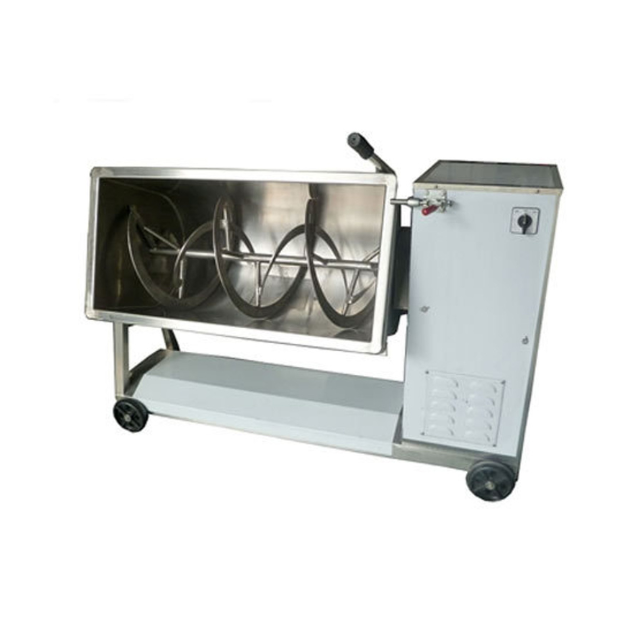
In today’s fast-paced manufacturing environment, industries such as pharmaceuticals, food processing, chemicals, and nutraceuticals require efficient and consistent mixing solutions. Among the various mixing technologies available, ribbon blenders in India have gained immense popularity for handling bulk powder mixing with precision and reliability. Known for their versatility, durability, and cost-effectiveness, ribbon blenders are now a preferred choice for companies looking to improve efficiency while maintaining product quality. What is a Ribbon Blender? A ribbon blender is an industrial mixing machine designed to uniformly blend dry powders, granules, and sometimes even low-viscosity pastes. It consists of a horizontal U-shaped trough and a specially designed helical ribbon agitator. The outer and inner ribbons rotate in opposite directions, ensuring thorough and uniform mixing throughout the batch. This unique design makes ribbon blenders one of the most effective machines for achieving consistent product quality across industries. Applications of Ribbon Blenders in India Ribbon blenders are widely used across Indian industries due to their ability to handle large volumes with ease. Some of the major applications include: Pharmaceutical Industry – For mixing powders, granules, and active ingredients in bulk drug formulations.  Food Processing – Ideal for blending spices, flour mixes, instant powders, and nutraceutical products.  Chemical Industry – Used for mixing detergents, fertilizers, and other fine chemicals.  Cosmetic Industry – Helps in preparing powders for personal care and cosmetic formulations.  With growing demand in these sectors, ribbon blender manufacturers in India are designing machines that meet GMP (Good Manufacturing Practice) and industry-specific requirements. Why Ribbon Blenders are Reliable for Bulk Powder Mixing Uniform Mixing – The counterflow movement of the ribbons ensures all ingredients are mixed evenly, eliminating dead spots.  Large Batch Capacity – Ribbon blenders can process hundreds of kilograms in a single batch, making them ideal for mass production.  Time Efficiency – Their design reduces mixing time significantly compared to traditional mixers.  Energy Efficiency – They consume relatively low power while still delivering high productivity.  Low Maintenance – Sturdy construction and simple design ensure durability and minimal downtime.  These advantages make ribbon blenders a trusted solution for Indian manufacturers dealing with large-scale powder production. Features to Look for in Ribbon Blenders in India When selecting a ribbon blender for industrial use, businesses must consider the following: Material of Construction – Stainless steel (SS304/SS316) is widely preferred in food and pharma for hygiene and durability.  Capacity – Depending on production needs, ribbon blenders are available in sizes ranging from 50 liters to several thousand liters.  Discharge Options – Bottom discharge valves or side discharge options ensure easy material handling.  Customization – Many ribbon blender manufacturers in India offer tailored designs with features like jacketed vessels for heating/cooling or vacuum-rated construction for specialized applications.  Growth of Ribbon Blenders in India India’s rapid industrialization and expanding pharmaceutical and food sectors have significantly increased the demand for industrial ribbon blenders. With a focus on automation, hygiene, and high productivity, Indian manufacturers are producing advanced ribbon blenders that meet global standards. Additionally, the rising demand for affordable mixing solutions has made ribbon blenders an attractive choice for small to medium enterprises (SMEs) that require robust yet cost-effective equipment. Future of Ribbon Blenders in Indian Manufacturing The future of ribbon blenders in India looks promising, as industries continue to scale up production capacities. With advancements in automation, IoT-enabled monitoring, and customized designs, ribbon blenders are evolving into smarter and more efficient machines. Moreover, as Indian exports of pharmaceuticals, processed food, and specialty chemicals rise, the demand for high-quality mixing solutions like ribbon blenders will only grow stronger. Conclusion Ribbon blenders in India have emerged as one of the most reliable and versatile solutions for bulk powder mixing. Their ability to deliver uniform blends, handle large capacities, and provide cost-effective performance makes them indispensable in industries such as food, pharma, chemicals, and cosmetics. With increasing demand and technological advancements, Indian ribbon blender manufacturers are poised to play a major role in supporting both domestic and international markets. If your business deals with large-scale powder production, investing in a high-quality ribbon blender could be the smartest step towards enhancing productivity and ensuring consistent product quality. FAQs on Ribbon Blenders in India What is a ribbon blender used for in India?A ribbon blender is used for uniform mixing of dry powders, granules, and bulk materials in industries such as pharmaceuticals, food processing, chemicals, nutraceuticals, and cosmetics. In India, ribbon blenders are highly preferred for their cost-effectiveness, large batch capacity, and consistent product quality, making them a reliable solution for mass production. Which industries commonly use ribbon blenders in India?Ribbon blenders in India are widely used in: Pharmaceuticals – for blending active ingredients, powders, and granules. Food Processing – for mixing spices, flour blends, instant mixes, and nutraceutical powders. Chemicals – for detergents, fertilizers, pigments, and fine chemicals. Cosmetics & Personal Care – for powders in makeup, skincare, and hygiene products.Their versatility makes them suitable across multiple sectors. What is the price range of industrial ribbon blenders in India?The price of ribbon blenders in India depends on capacity, material of construction (MS, SS304, SS316), customization, and automation features. Small-capacity blenders may start from ₹1.5 lakh, while large, customized industrial models can range up to ₹20–25 lakh or more. It’s best to consult reliable ribbon blender manufacturers in India for exact pricing based on requirements. How do I choose the best ribbon blender manufacturer in India?To choose the right manufacturer, consider: Industry Experience – Look for manufacturers with proven expertise in pharma, food, or chemical equipment. Customization Options – Ensure they can provide jacketed blenders, vacuum-rated designs, or specific discharge systems. Material Quality – Prefer stainless steel (SS304/SS316) for hygiene and durability. After-Sales Support – Check for installation, maintenance, and spare parts availability. Compliance – For pharma/food, ensure the machine meets GMP standards. A trusted Indian ribbon blender supplier will provide both standard and customized solutions to suit production needs.

Powder Induction Mixer Suppliers in Chile
Uncategorized

Why Powder Induction Mixers Are Becoming Essential for Modern Industries

In manufacturing, achieving efficiency, product quality, and cost savings has always been a priority. However, as industries expand and demand for high-performance products grows, traditional mixing methods often fall short. This is where powder induction mixers are transforming operations across food, pharmaceuticals, chemicals, cosmetics, and more. By improving powder incorporation into liquids, reducing dust and waste, and delivering consistent results, powder induction mixers have quickly become essential equipment for modern industries. What is a Powder Induction Mixer? A powder induction mixer is designed to directly incorporate dry powders into a liquid stream without the need for conventional manual feeding. Instead of sprinkling powders from the top of a tank—causing clumping, dusting, and uneven mixing—the mixer uses a controlled vacuum or suction mechanism to draw powders directly into the liquid. This process ensures faster dispersion, dust-free operation, and better consistency. It eliminates many challenges industries face with powders like flour, sugar, starches, APIs (Active Pharmaceutical Ingredients), pigments, and specialty chemicals. Industries Benefiting from Powder Induction Mixers 1. Food & Beverage Powder induction mixers are widely used for producing: Beverages – instant drinks, protein shakes, and flavored powders dissolve more efficiently.  Dairy Products – milk powders, stabilizers, and flavors are incorporated smoothly.  Sauces & Confectionery – prevents lumping in starches, sugars, and cocoa powders.  With hygiene and taste consistency being critical in food manufacturing, these mixers ensure cleaner, faster, and more reliable production. 2. Pharmaceuticals In pharma, accuracy and stability are non-negotiable. Powder induction mixers help in: Suspensions & Syrups – uniform dispersion of powders for precise dosing.  Oral Solutions – improving solubility of APIs.  Nutraceuticals & Supplements – ensuring powders are fully dissolved with no residue.  The dust-free design also protects workers from exposure to potent powders—crucial in pharmaceutical environments. 3. Chemicals & Paints The chemical sector handles powders that are often difficult to disperse. Powder induction mixers excel in: Paints & Coatings – even dispersion of pigments for vibrant colors.  Adhesives & Sealants – faster integration of resins and fillers.  Cleaning Chemicals – reduces waste while handling high-viscosity liquids.  By cutting down on manual handling, industries benefit from reduced contamination risk and better efficiency. 4. Cosmetics & Personal Care From creams and shampoos to serums and gels, powder induction mixers ensure: Smooth texture without lumps.  Accurate incorporation of active ingredients.  Faster batch processing for high-volume production.  This directly translates into premium product quality—vital for consumer trust in cosmetic brands. Key Advantages of Powder Induction Mixers Dust-Free Operation – Reduces airborne particles, improving workplace safety.  Faster Mixing Times – Cuts batch processing by up to 70%.  Reduced Waste – Direct suction eliminates powder losses during transfer.  Improved Consistency – Ensures uniform distribution of powders.  Hygienic & Easy to Clean – Designed for industries where sanitation is critical.  Energy Efficient – Requires less power compared to traditional top-loading mixing.  These advantages explain why powder induction mixers are replacing older mixing systems in modern production plants. Choosing the Right Powder Induction Mixer When selecting a powder induction mixer, companies should evaluate: Capacity Requirements – Lab scale, pilot scale, or industrial production.  Viscosity Handling – Whether the system can manage thin liquids or thick pastes.  Cleaning Systems – CIP (Clean-In-Place) capability for food and pharma industries.  Material of Construction – Stainless steel is preferred for sanitary compliance.  Manufacturer Expertise – Partnering with a trusted powder induction mixer manufacturer in India ensures reliability and after-sales support.  The Future of Powder Induction Technology With growing emphasis on automation, hygiene, and energy savings, powder induction mixers are poised to dominate manufacturing processes in the coming years. As industries push towards sustainability and lean manufacturing, the efficiency gains provided by these systems make them an essential investment. Moreover, innovations such as vacuum powder induction, inline systems, and hybrid designs are expanding their applications across multiple industries. Conclusion Powder induction mixers are no longer optional—they are a necessity for modern industries that demand efficiency, safety, and consistency. Whether it’s improving the smoothness of a chocolate sauce, enhancing drug formulation, or creating high-quality paints, these machines offer unmatched performance. By adopting powder induction mixers, manufacturers not only streamline their operations but also achieve cost savings, improved safety, and superior product quality—all of which are critical in today’s competitive global market.

Colloidal Mill Suppliers in Kenya for Bitumen Emulsion & Chemicals
Uncategorized

The Role of Colloidal Mills in Food, Pharma & Chemical Manufacturing

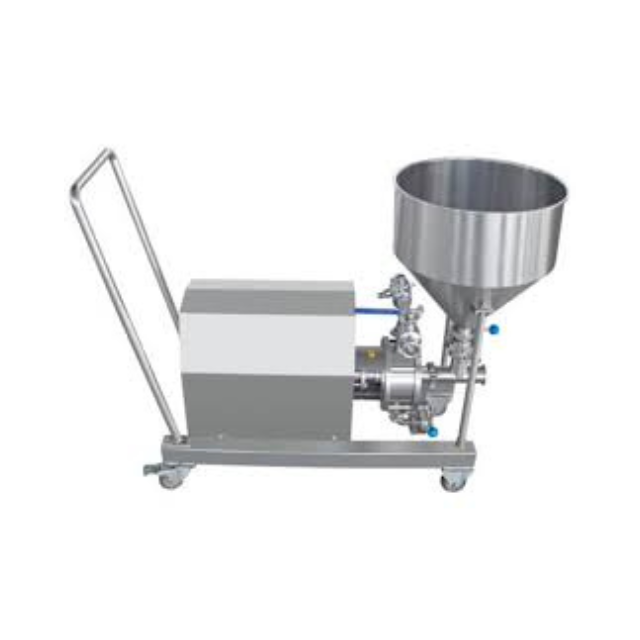
In today’s fast-paced manufacturing world, efficiency, precision, and product consistency play a crucial role in ensuring quality output. One piece of equipment that has transformed industries such as food processing, pharmaceuticals, and chemicals is the colloidal mill. Known for its ability to achieve ultra-fine particle size reduction and stable emulsions, the colloidal mill has become an indispensable machine in modern production lines. What is a Colloidal Mill? A colloidal mill is a high-shear mixing device designed to reduce solid particle size and create uniform dispersions or emulsions. It works on the principle of rotor-stator technology, where the high-speed rotation of the rotor against a stationary stator generates intense shear forces. These forces break down large particles into micron or even nano-sized particles, ensuring homogeneity and smooth texture in the final product. Unlike conventional grinders or blenders, colloidal mills are specifically engineered to handle materials where precision and stability are critical—making them highly valued in food, pharma, and chemical industries. Applications of Colloidal Mills 1. In the Food Industry Colloidal mills are widely used in food processing due to their ability to create smooth, consistent textures. Common applications include: Sauces & Dressings – Mayonnaise, ketchup, and salad dressings require stable emulsions that won’t separate during storage. Dairy Products – Used in processing flavored milk, butter, and cheese spreads for uniformity. Confectionery – For chocolates, creams, and pastes, colloidal mills ensure smoothness without grainy texture. In addition, they improve shelf life and taste consistency, which are vital for consumer trust and brand reputation. 2. In the Pharmaceutical Industry In pharma, colloidal mills play a key role in achieving precise particle sizes necessary for drug solubility and bioavailability. Typical uses include: Suspensions & Syrups – Ensuring particles remain evenly distributed for accurate dosing. Creams & Ointments – Creating fine emulsions for quick skin absorption. Tablet Coatings & Gels – Enhancing stability and effectiveness of formulations. Pharmaceutical manufacturers rely on colloidal mills to meet stringent regulatory requirements for uniformity, safety, and efficacy. 3. In the Chemical Industry The chemical sector demands high-performance machines for mixing and dispersing tough materials. Colloidal mills are used for: Paints & Coatings – Achieving fine dispersion for smooth finishes. Lubricants & Greases – Ensuring stability under high stress and temperature. Cosmetics & Personal Care – Used in creams, lotions, and serums for smooth application. Here, colloidal mills ensure high-quality dispersions and emulsions, reducing waste and production downtime. Benefits of Using Colloidal Mills Uniform Particle Size Reduction – Achieves micron and nano-level sizes. Improved Product Stability – Prevents separation in emulsions and suspensions. Enhanced Productivity – High-speed operation shortens processing time. Versatility – Suitable for liquids, semi-solids, and viscous materials. Compliance with Industry Standards – Especially vital in pharmaceuticals and food production. These advantages make colloidal mills a cost-effective investment for industries looking to improve output quality and efficiency. Choosing the Right Colloidal Mill When selecting a colloidal mill, manufacturers should consider: Material of Construction – Stainless steel is preferred for food and pharma applications. Capacity & Throughput – Depends on production scale, from lab-scale to industrial models. Ease of Cleaning – Critical in industries where hygiene is paramount. Energy Efficiency – Helps reduce operational costs. Partnering with a reliable colloidal mill manufacturer in India ensures that the equipment meets both performance and compliance standards. Future of Colloidal Mills in Manufacturing As industries continue to innovate, the demand for nanotechnology, precision emulsions, and high-quality dispersions is expected to grow. Colloidal mills will play a central role in meeting these demands, especially with the rise of functional foods, advanced drug delivery systems, and sustainable chemical solutions. Final Thoughts The role of colloidal mills in food, pharmaceutical, and chemical manufacturing cannot be overstated. From creating smooth sauces and stable ointments to producing high-quality paints and lubricants, these machines are vital for ensuring product quality and efficiency. Companies investing in the right colloidal mill technology not only improve their production processes but also gain a competitive edge in global markets.

Scroll to Top